First-Time Home Buyer in Ontario? Your 2026 Incentive Cheat Sheet
Posted
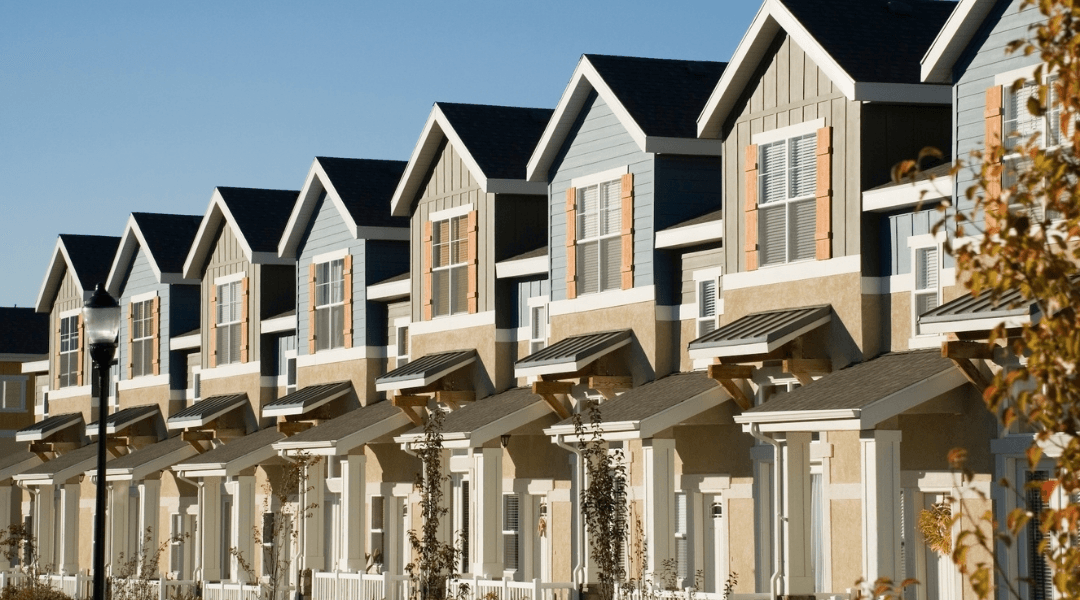
Eligible Ontario buyers may now receive up to $130,000 of HST relief on a qualifying new home, subject to the agreement date, property value and program rules.
Buying your first home is exciting, but understanding the available programs can feel overwhelming. First-time buyers in Ontario may qualify for several savings plans, tax rebates and mortgage options. Here is what Ontario homebuyers should know in 2026.
2026 first-time homebuyer benefits at a glance
| Program | Potential benefit |
|---|---|
| First Home Savings Account | Up to $8,000 annually and $40,000 lifetime |
| Home Buyers' Plan | Withdraw up to $60,000 from an RRSP |
| Home Buyers' Amount | Up to $1,400 federal tax reduction in 2026 |
| Federal first-time buyer GST/HST rebate | Up to $50,000 on an eligible new home |
| Ontario first-time buyer HST rebate | Up to $80,000 on an eligible new home |
| Ontario Land Transfer Tax refund | Up to $4,000 |
| Toronto municipal rebate | Up to an additional $4,475 |
| CMHC Eco programs | 25% refund of an eligible insurance premium |
1. First Home Savings Account
The First Home Savings Account (FHSA) is one of the most valuable savings tools available to first-time buyers.
- Contribute up to $8,000 per year.
- Contribute up to $40,000 over your lifetime.
- Deduct eligible contributions from taxable income.
- Earn investment income inside the account.
- Make a qualifying withdrawal for a first home without paying tax.
- Avoid repaying qualifying withdrawals.
Contribution room only begins after you open your first FHSA. Opening one early may therefore be worthwhile, even if you are not ready to purchase immediately.
If two buyers are both eligible, each person may have their own FHSA, providing up to $80,000 in combined lifetime contributions, plus potential investment growth.
2. Home Buyers' Plan
The Home Buyers' Plan (HBP) allows an eligible buyer to withdraw up to $60,000 from an RRSP to purchase or build a qualifying home.
If both members of a couple qualify and have sufficient RRSP savings, they could potentially withdraw up to $120,000 combined.
Unlike an FHSA withdrawal, money withdrawn through the HBP must generally be repaid to the RRSP over a 15-year period. The applicable repayment start date depends on when the withdrawal was made.
Eligible buyers can use the HBP and an FHSA withdrawal toward the same property, provided all conditions for both programs are met.
3. Home Buyers' Amount
The federal Home Buyers' Amount, commonly called the First-Time Home Buyers' Tax Credit, is a non-refundable tax credit claimed on your income tax return.
Eligible buyers may claim up to $10,000. Because the lowest federal tax rate is 14% in 2026, the maximum federal tax reduction is generally $1,400 for a 2026 purchase.
The credit can reduce federal income tax payable, but it will not produce a refund if you do not owe federal tax. If several eligible buyers purchase the same home, the combined claim cannot exceed the program maximum.
Review the CRA Home Buyers' Amount rules when preparing your return.
4. New first-time homebuyer GST/HST rebates
One of the most significant 2026 changes is the new GST/HST relief for eligible first-time buyers purchasing newly built or substantially renovated homes.
Federal rebate
The federal First-Time Home Buyers' GST/HST Rebate provides:
- Up to 100% of the federal GST portion on eligible homes valued at $1 million or less.
- A maximum federal rebate of $50,000.
- A gradually reduced rebate on homes between $1 million and $1.5 million.
- No federal first-time buyer rebate at $1.5 million or more.
The rebate generally applies to eligible agreements entered into on or after March 20, 2025, and before 2031.
Ontario rebate
Ontario's first-time homebuyer rebate may provide up to $80,000 toward the provincial portion of the HST on an eligible new or substantially renovated home.
Combined, qualifying first-time buyers in Ontario could receive up to $130,000 in HST relief on an eligible new home valued at $1 million or less.
Ontario also introduced temporary enhanced HST relief for certain new-home purchase agreements entered into from April 1, 2026, through March 31, 2027. The purchase date, home value, occupancy, construction timeline and wording of the purchase agreement can all affect eligibility.
These rebates generally apply to new or substantially renovated homes, not ordinary resale homes. Buyers should confirm how the HST and rebates are shown in the purchase agreement and whether the builder will credit the rebate at closing.
5. Thirty-year insured mortgages
For insured mortgages with a down payment below 20%, the maximum amortization may be extended to 30 years when the borrower is:
- An eligible first-time homebuyer; or
- Purchasing a newly built home.
START DATE
These expanded rules have been available since December 2025.
A 30-year amortization can lower the required monthly payment compared with a 25-year amortization. However, it normally increases the total interest paid over the life of the mortgage and may affect the mortgage-insurance premium.
Review the payment and long-term interest difference before deciding which amortization is appropriate.
6. Insured mortgage limit and minimum down payment
Mortgage insurance may be available for owner-occupied homes priced below $1.5 million, subject to borrower, lender and insurer qualification requirements.
The minimum down-payment rules are:
- $500,000 or less: 5% of the purchase price.
- More than $500,000 but less than $1.5 million: 5% of the first $500,000, plus 10% of the remaining portion.
- $1.5 million or more: at least 20%.
For example, the minimum down payment on a $700,000 home would be:
- 5% of the first $500,000: $25,000.
- 10% of the remaining $200,000: $20,000.
- Total minimum down payment: $45,000.
IMPORTANT THRESHOLD
A property priced at exactly $1.5 million generally requires at least 20%, or $300,000, rather than $125,000.
7. Ontario Land Transfer Tax refund
Eligible first-time buyers may receive an Ontario Land Transfer Tax refund of up to $4,000.
The refund eliminates the provincial land transfer tax on an eligible purchase of approximately $368,000 or less. On a higher-priced home, the maximum refund remains $4,000, with the buyer paying the remaining tax.
Ontario's eligibility rules are stricter than the federal four-year test. Generally, the buyer:
- Must be at least 18.
- Must occupy the home as a principal residence within nine months.
- Must be a Canadian citizen or permanent resident, subject to limited timing rules.
- Cannot have previously owned a home or ownership interest anywhere in the world.
Spousal ownership can also affect eligibility. The refund must generally be requested within 18 months of registration.
8. Additional Toronto Land Transfer Tax rebate
Toronto charges its own Municipal Land Transfer Tax in addition to Ontario's provincial tax.
An eligible first-time buyer purchasing within Toronto may receive a municipal rebate of up to $4,475.
When combined with Ontario's $4,000 refund, an eligible Toronto buyer could receive up to $8,475 in land transfer tax relief.
9. CMHC energy-efficiency premium refund
Eligible buyers with CMHC mortgage insurance may receive a refund equal to 25% of their insurance premium through one of CMHC's Eco programs.
- CMHC Eco Plus applies to eligible newly built, energy-efficient homes.
- CMHC Eco Improvement may apply when an insured buyer purchases an existing home and completes at least $20,000 in qualifying energy-efficiency improvements.
Documentation and application deadlines apply, so buyers should review the requirements before beginning renovations.
10. Municipal affordable-homeownership programs
Some Ontario municipalities and nonprofit housing organizations offer down-payment assistance, shared-equity arrangements or forgivable loans.
Availability varies significantly by location and funding cycle. These programs may also include:
- Household-income and asset limits.
- Maximum purchase prices.
- Owner-occupancy requirements.
- Resale restrictions.
- Repayment or appreciation-sharing conditions.
Check with the housing department in the municipality where you plan to buy before relying on a local program.
Not every program uses the same definition
"First-time homebuyer" does not have one universal definition.
Many federal programs use a test based on whether you lived in a home owned by you or your spouse during the current year or previous four calendar years. Certain exceptions may apply following the breakdown of a marriage or common-law relationship.
Ontario and Toronto land transfer tax rebates generally require that you have never previously owned a home anywhere in the world.
CHECK EACH PROGRAM SEPARATELY
Eligibility under one first-time buyer program does not automatically mean you qualify for every other program.
Plan before you begin shopping
Before making an offer, consider speaking with a mortgage professional to:
- Review your income, credit and existing debts.
- Determine an affordable purchase price.
- Confirm the minimum down payment and closing costs.
- Compare 25-year and 30-year mortgage options.
- Coordinate your FHSA and HBP withdrawals.
- Identify the rebates that apply to your particular property.
- Obtain a mortgage pre-approval before shopping.
Ready to explore your mortgage options?
| Every buyer's financial situation is different. Our team can help you understand your mortgage options, estimate the funds required for closing and identify the homebuyer programs that may apply to your purchase. |
Information is current as of July 23, 2026, and is provided for general educational purposes only. Program rules can change, and eligibility is subject to government, lender and mortgage-insurer requirements. This article is not legal, tax or financial advice.
Join the Conversation
or to share your thoughts.
No comments yet
Be the first to start the conversation!